Sweet Thrifty Rides for Christmas: Six Tips to Thrifting Your Own Bicycle
Several years ago, I was a young father of five heading into Christmas unemployed. My oldest son was growing out of his BMX bike and desperately wanted a mountain bike for Christmas. In college I had worked part-time at a bike shop, so I knew I would be able to tune up a secondhand bike and make it an awesome Christmas gift for my son. And it worked—I found the perfect bike at DI.
In the years since, I have found and fixed up several thrift store mountain bikes for my family and community. This Christmas, my son—the one who received that thrift store mountain bike nine years ago—and I decided to thrift and fix up a bike and pass it on to a deserving child.
Follow these six tips for hunting down a bike and getting it ready for Christmas!
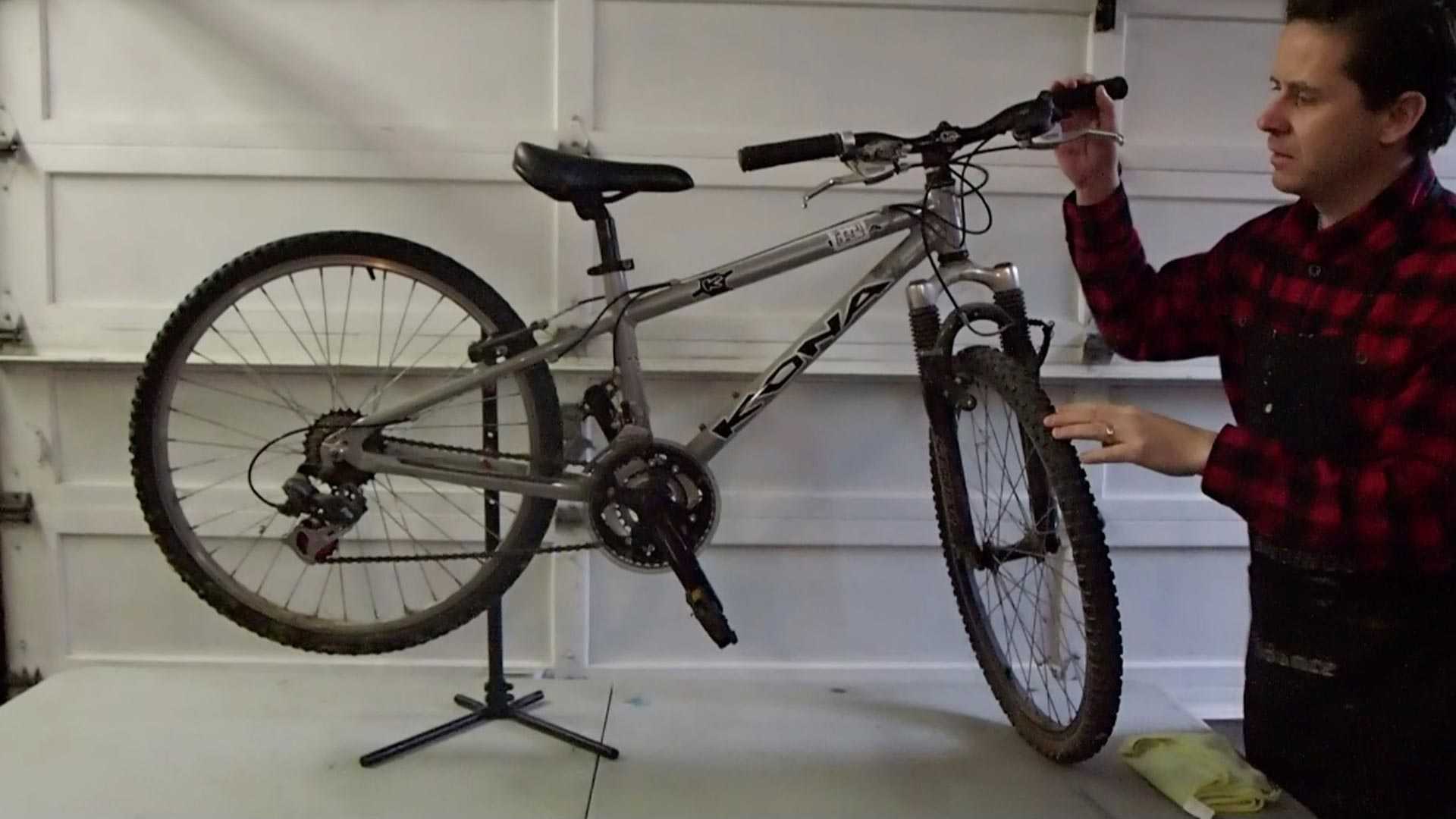
1. Know what you want.
I prefer mountain bikes, so that’s what I wanted to get for the Christmas bike. Since we weren’t sure who would receive the bike yet, we looked at all sizes from a 20"-tire kid’s bike to a full-sized adult bike.
Before you go shopping, it’s helpful to do some research online. You should know:
- The sizes for the type of bike you want.
- Major brands of bikes and components for those bikes.
- The costs of replacement parts in case you need some.
- The costs of new and used bikes.
For most bikes, there are two sizes to be aware of: tire size and frame size.
Tire Size
Tire size, or wheel size, is the measurement of the inside diameter of the tire. An adult mountain bike will typically have a 26" tire size, though some use 27.5" and 29" tires. Kids’ mountain bikes usually have 24" or 20" tires. For my kids, mountain bikes with 20" tires worked well for ages 6 to 9, and mountain bikes with 24" tires worked well for ages 9 to 11. After that, they were big enough to ride the smaller adult mountain bikes with 26" tires.
Frame Size
Frame size on mountain bikes is typically given as a length in inches. This measurement is the distance from the top tube (where the seat is inserted) to the center of the cranks. Some mountain bikes use a descriptive size such as small, medium, or large that correlates to the inch lengths.
| Adult Mountain Bike Sizes (Bikes with 26"–29" Tires) | ||
| Rider Height | Measured Frame Size | Descriptive Frame Size |
| 4'10"–5'3" | 13"–15" | XS—Extra Small |
| 5'3"–5'7" | 15"–17" | S—Small |
| 5'7"–5'11" | 17"–19" | M—Medium |
| 5'11"–6'2" | 19"–21" | L—Large |
| 6'2"and up | 21" and up | XL—Extra Large |
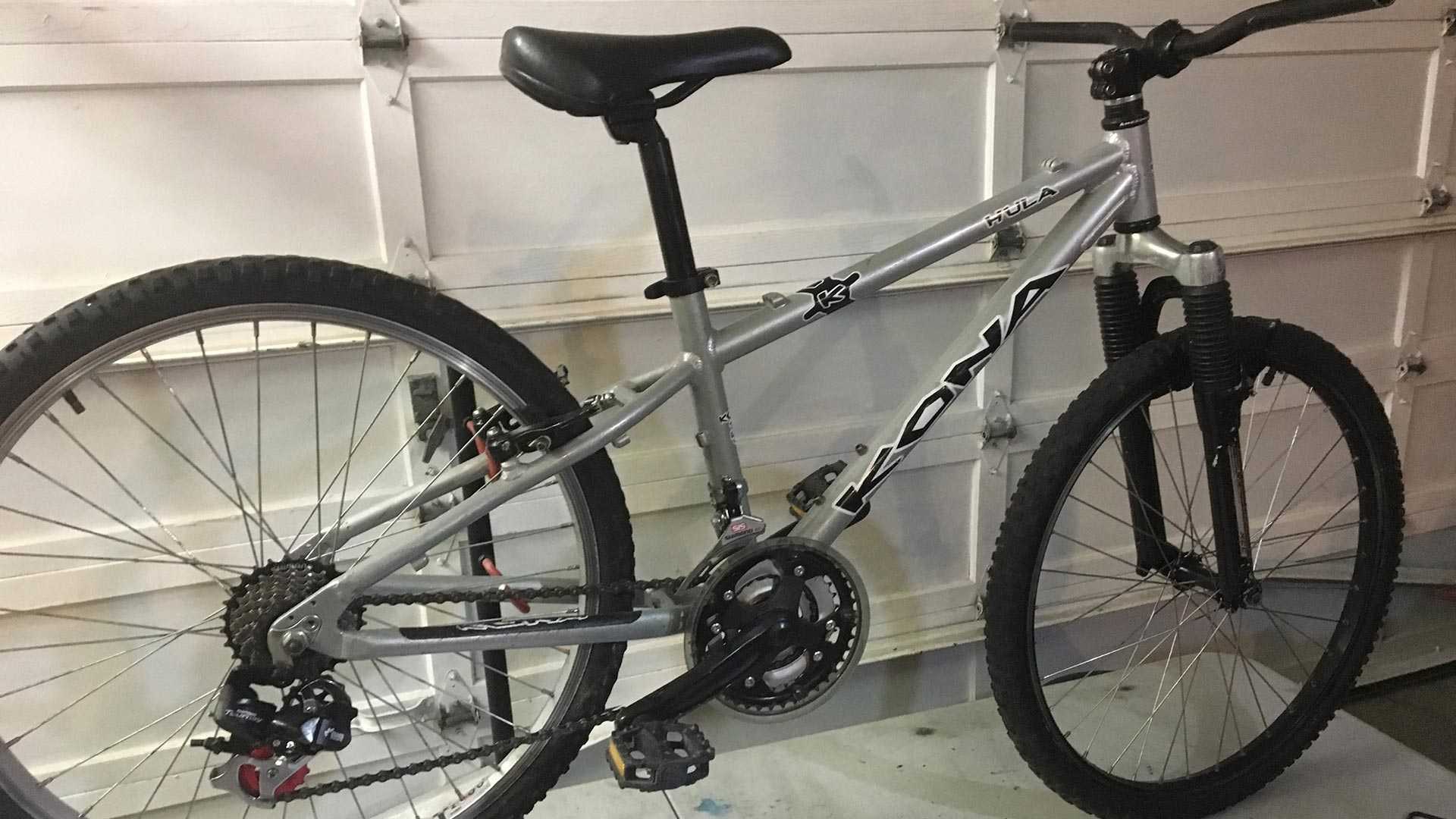
The bike I found is a 13" mountain bike with 24" wheels and runs with a 3x7 drivetrain (21-speed), meaning it uses shifters connected to three gears on the crank and seven gears on the rear wheel.
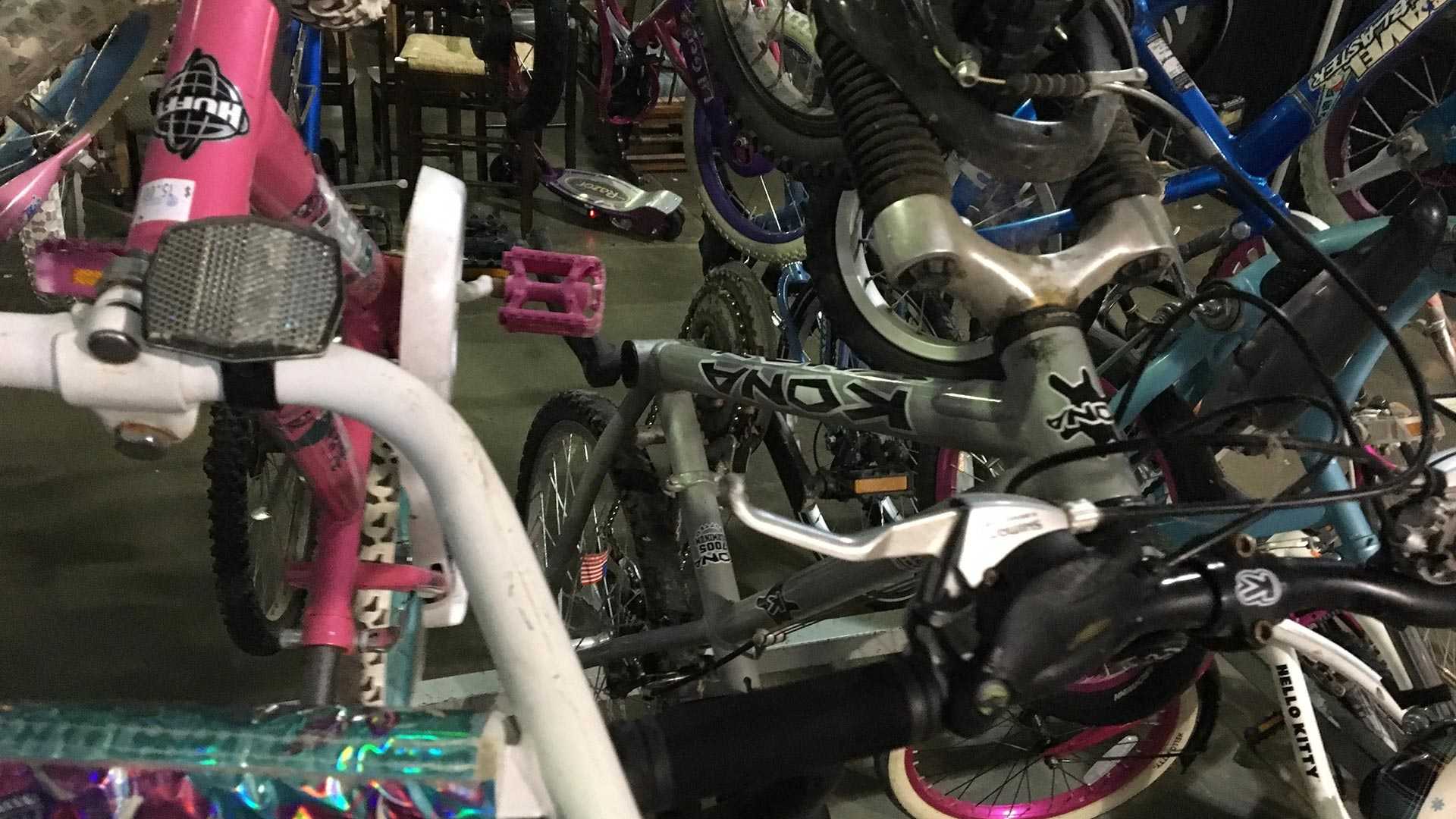
2. Know what you can fix.
Most likely, something will need fixing on the bike you find. If you don’t plan on fixing it yourself, you may want to bring your fix-it buddy with you when you go thrifting or know the repair costs at the local bike shop before you buy anything.
Often the needed repairs are small and can be done easily at home with basic tools, but some repairs may require specialty tools. To do basic repairs, you will need to have a set of Allen wrenches, screwdrivers, wrenches (8mm–13mm), and pliers. It’s also good to have tire levers, a bike pump, a flat patch kit, and a chain tool. Some basic but more difficult tasks could require a small sprocket tool, a chain whip, and a crank extractor.
When at the thrift store, here are a few basic things to assess and see if repairs are needed:
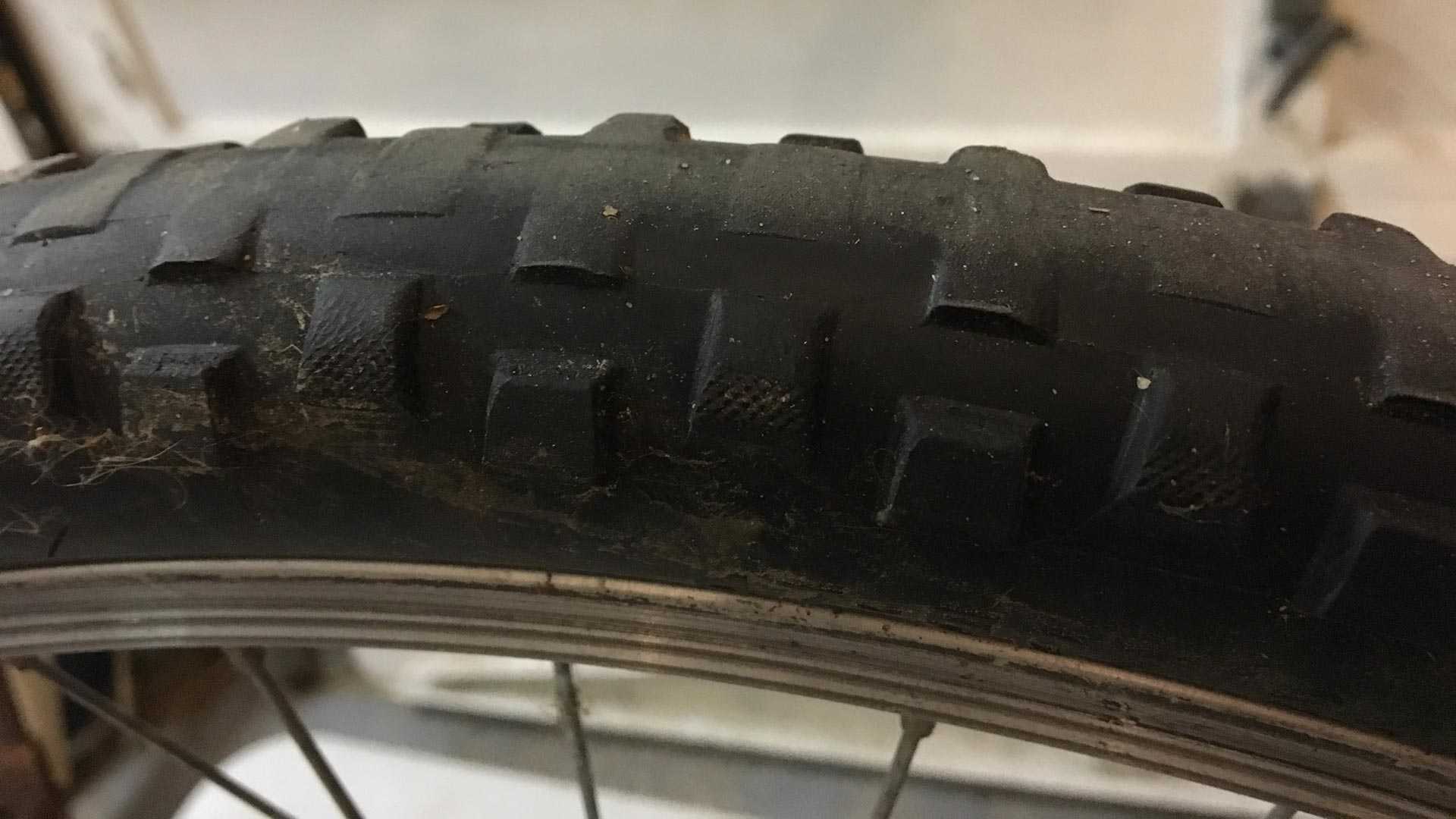
- Tires. Check the air level and the tread.
- Wheels. Check the hub in the center of each wheel. Make sure nothing is loose and the rims and wheels spin smoothly.
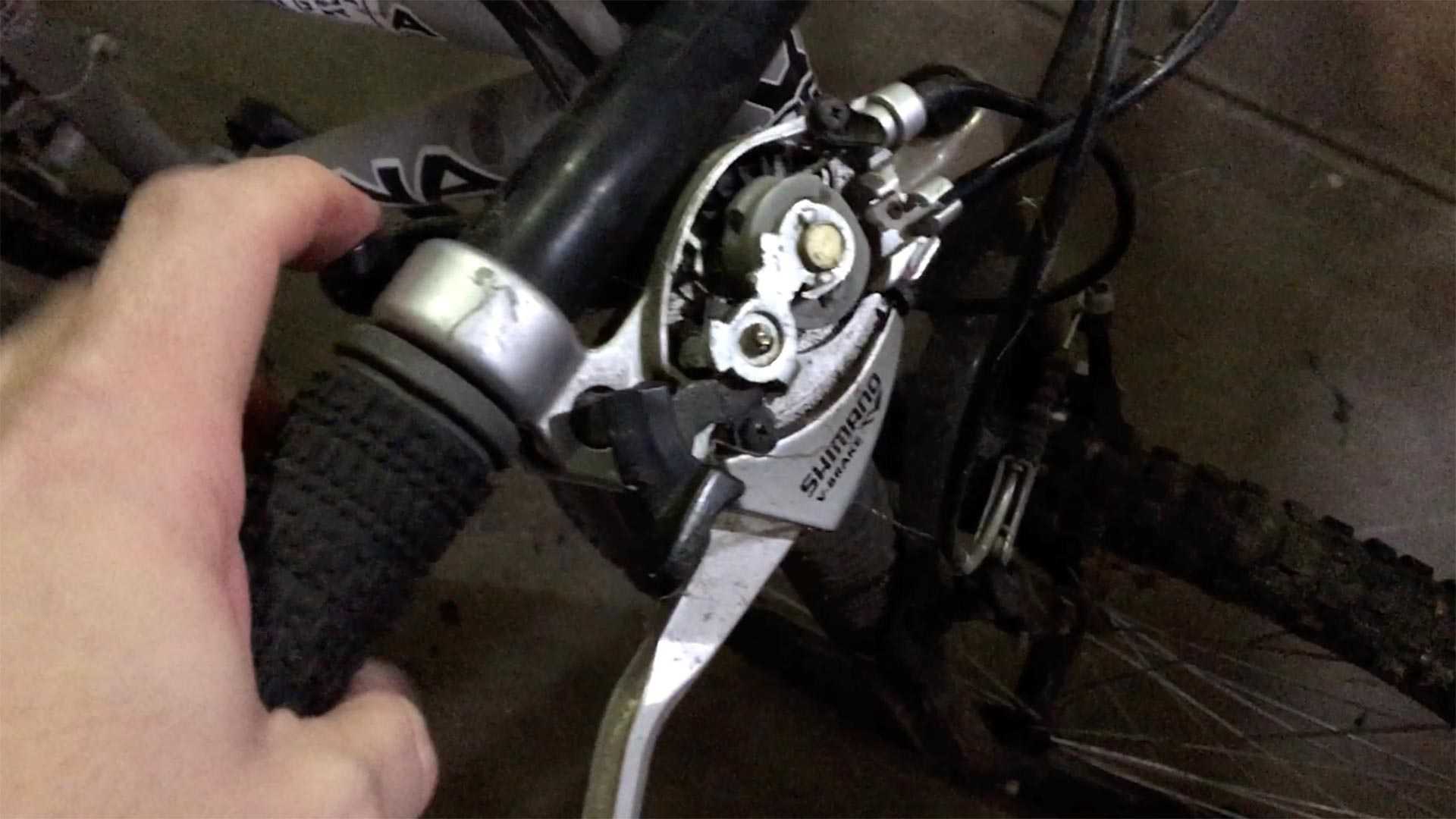
- Shifters. These are found on the handlebars and allow you to shift gears. Make sure that all the gears change when shifting (you will need to hold the rear bike tire up and spin the cranks to do this).
- Cranks. Spin the cranks to see if they move smoothly. They shouldn’t rattle or grind.
- Brakes. Check to see how well they move and how well they are working.
- Shocks. If the bike has a shock, see if it moves and if there are any signs of damage.
- Handlebars. Check to see if any part of them is loose or if they look bent. Also check the stem connecting the handlebars to the front fork or shocks to see if anything is loose or rattling.
- Seat. See if it is in good repair or in need of replacement.
The bike I found did need a few repairs. The rear shifter was broken, and the top cover and a few of the internals were missing. The tires needed some air, and the tread on the rear tire was worn out (the previous owner must have loved to do skids!). I felt confident that I could fix these issues with no problem.
3. Find the right bike.
The quality of bikes varies greatly across brands. There is a big difference between bikes sold at a big-box store and bikes sold at a bike shop.
Big-box store bikes are typically built using inexpensive steel, making them heavy and more prone to rust. They are often assembled at the store by someone who is inexperienced with bikes. These bikes are mass-produced for light use and aren’t intended for heavy riding. Often they arrive at the thrift store at the end of their life and may not be worth restoring or repairing.
Bikes from a professional bike shop are much more worthwhile to fix up, and these are what I typically look for. These bikes are built using stronger and lighter materials, with more attention to quality and detail. Also, at the shop, they are assembled by professional bike mechanics who know how to safely set them up. The price the bike sold for when it was new is often an indicator of the quality of manufacturing.
Often, both big-box store and bike shop bikes are priced the same at thrift stores. But even if the bike shop bike is priced higher, these bikes are usually still worth the price, especially if they are in good working order. This is why it’s helpful to know the average price of both new and used bikes.
The bike I found for our project was priced at $15 and is a brand only sold in professional bike shops. I searched the brand and model online and found that it sold new for $325. This bike has a 13" aluminum frame with 24" tires, has quality parts, and should work great for a kid between the ages of 9 and 11.
4. Replace worn-out parts.
You may need to do some replacements if parts are broken or worn out or if you just want to upgrade them. While you’re at DI, see if you can find another bike with the components you need to use for parts. You can also go to your local bike shop or search online.
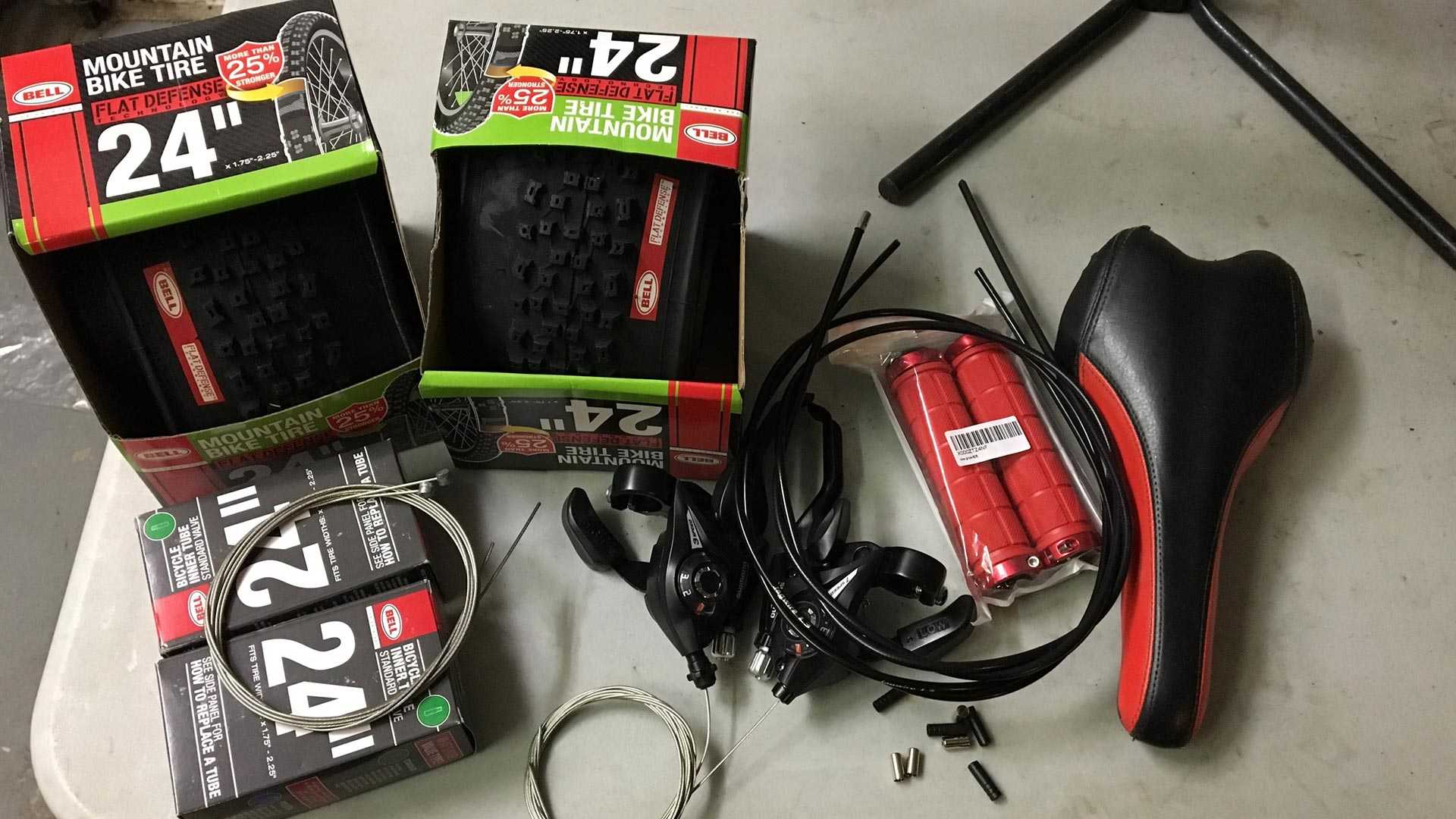
For the Christmas bike, we needed a new rear shifter and rear tire. I looked quickly online before buying the bike and found shifters (front and rear) and two new tires and tubes for under $60.
5. Tune it up.
Even if the bike is in great working order, a tune-up is a good idea. There are a lot of great online resources, videos, and articles that detail how to tune up different types of bikes. A basic tune-up checklist could include:
- Cleaning the bike.
- Cleaning and lubricating the chain.
- Cleaning the gears.
- Centering and adjusting the brakes.
- Adjusting the shifters and derailleurs.
- Checking the bolt tension.
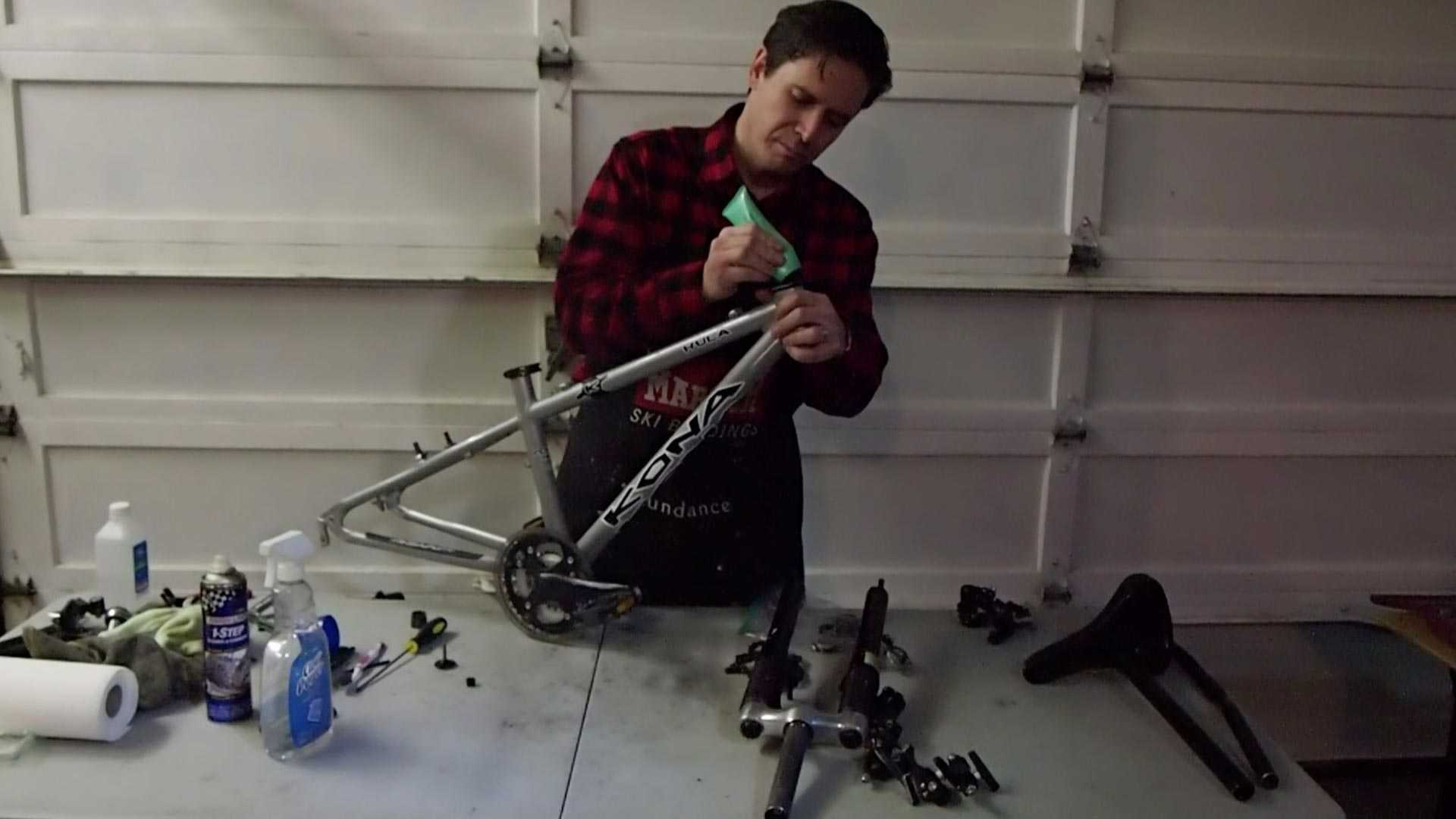
For the Christmas bike, I took most of the components off the bike and cleaned them. After reassembling the bike, I greased, oiled, and adjusted it. I also replaced all the cables as part of the tune-up.
6. Make it yours.
OK, so this step is optional. But if you’re doing the work to fix up a bike, why not make it unique at the same time?
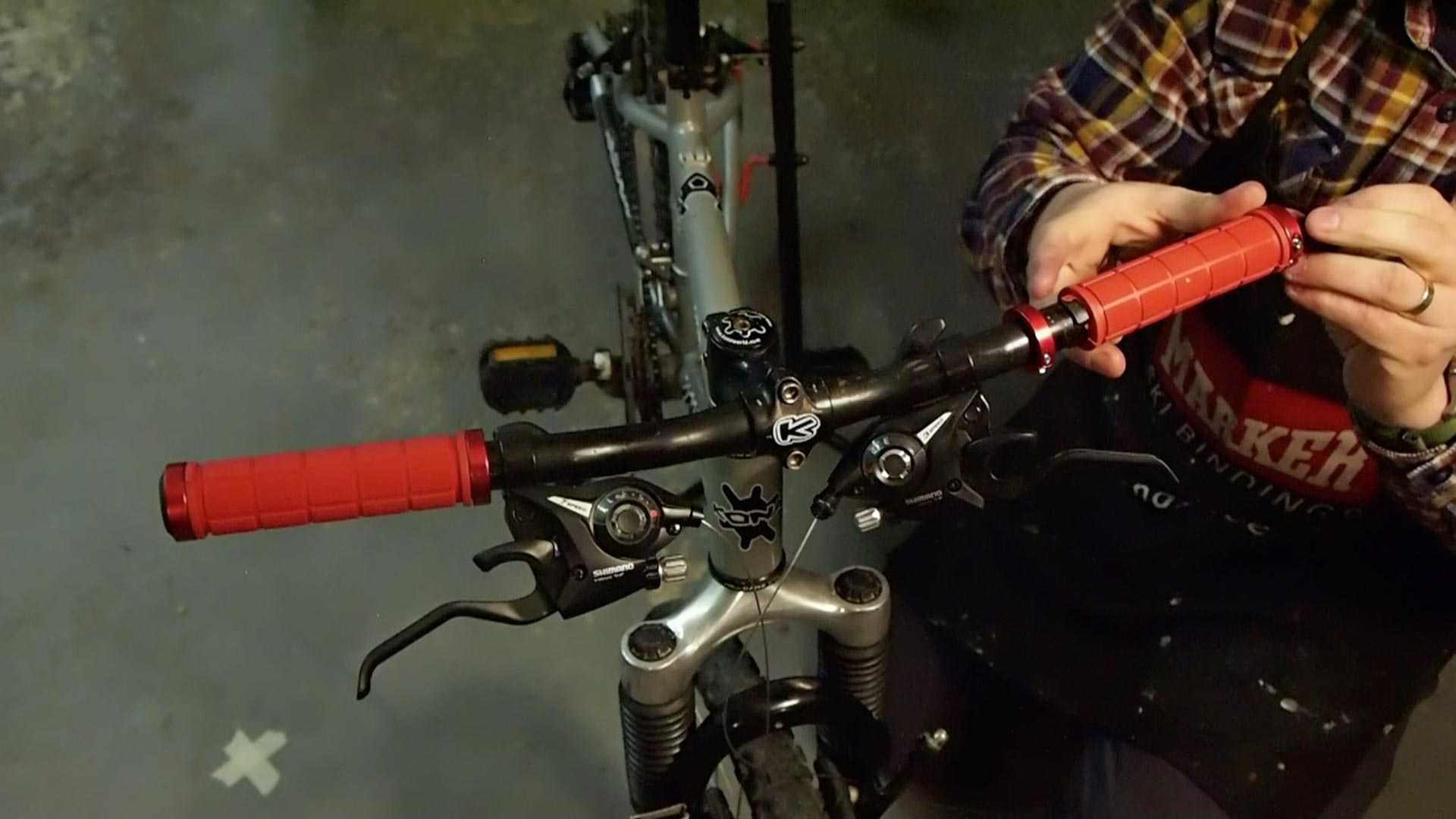
After getting the bike home, my son and I decided to add some color to the bike and make it pop. The bike was all gray and black and was just aching for some tweaks. I swapped the bike seat for one with red accents, and I also added new red grips. There are a lot of little tweaks you can do to make your bike unique without breaking the bank. Swapping out grips or tires or adding a little paint can go a long way.
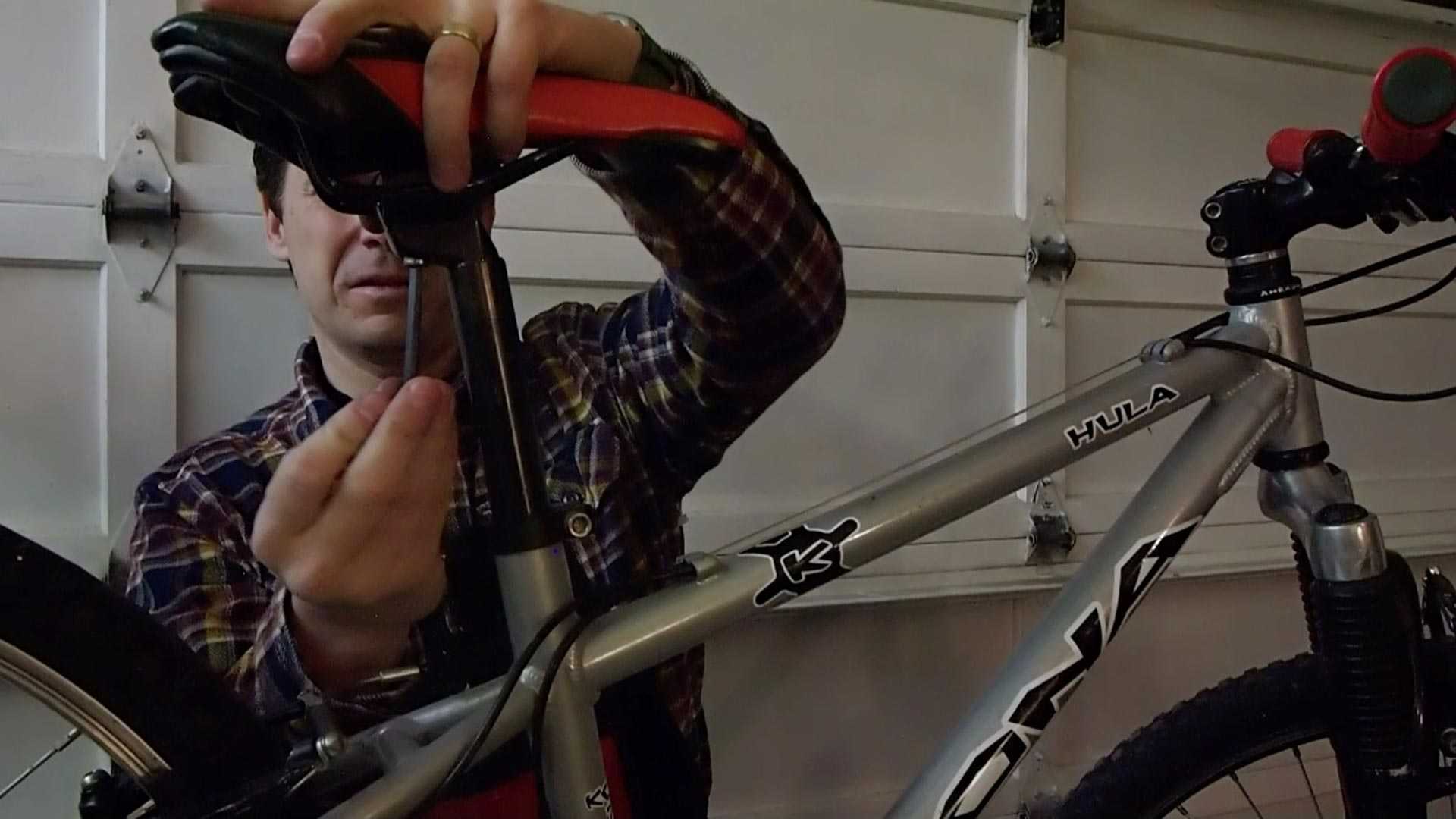
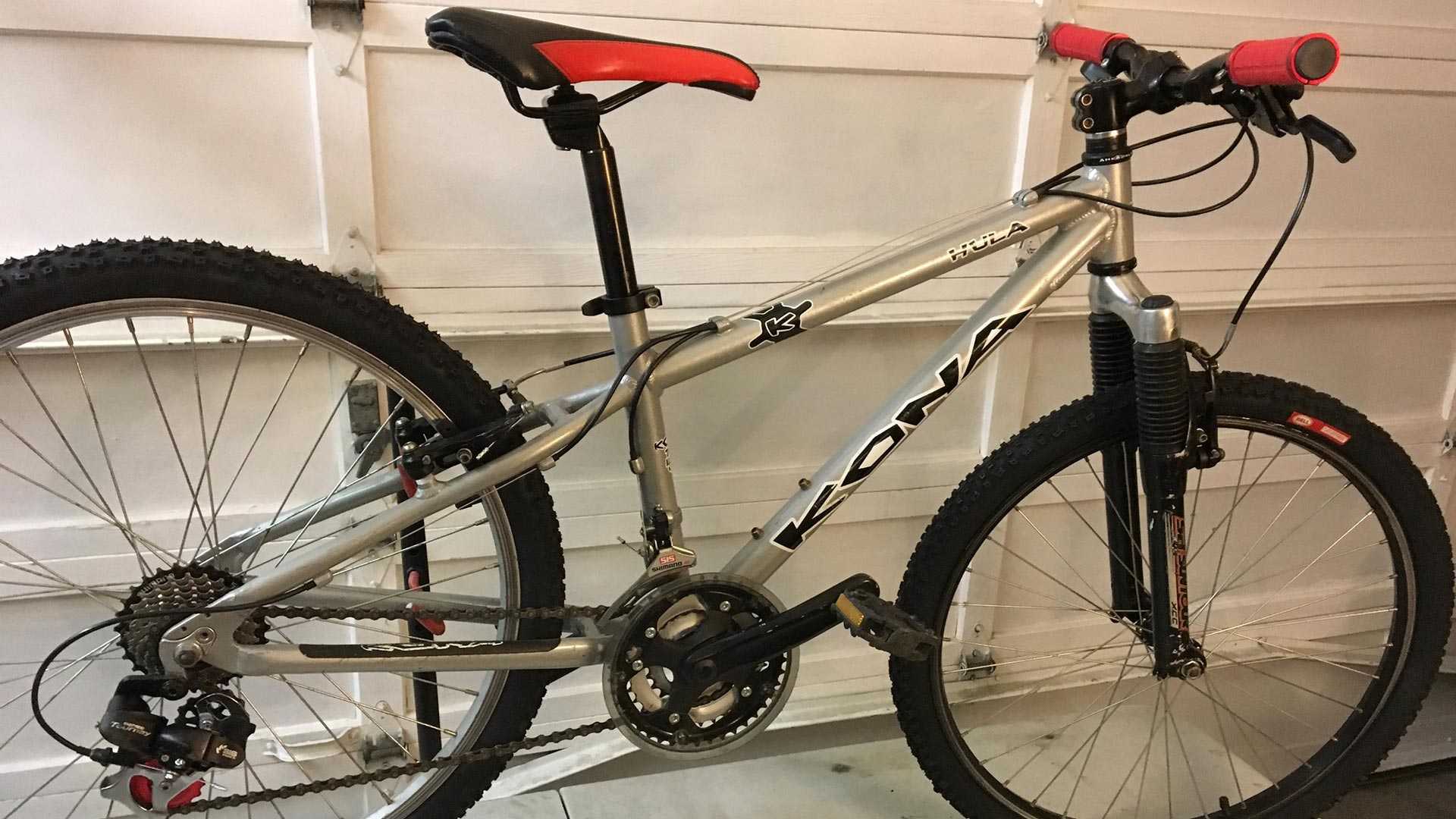
There you have it! Six steps to fixing up your own bike. My son and I had a great time working on this bike together, and we’re excited to give it away for Christmas.
Rob Freeze is an avid DIY enthusiast and thrift store shopper, hunting for anything from books to a great suit to outdoor gear. Thrifting has always been a part of Rob’s life. When money was tight growing up, the things his family needed always appeared on the thrift store shelves at just the right time. Deseret Industries has become Rob’s thrift store of choice because of his strong belief in the DI mission. Rob has purchased and repaired several bikes from DI for the Boy Scout troop in his area. When he isn’t fixing up bikes, he can be found backpacking, camping, or painting.
Recent Posts

How Development Counseling at Deseret Industries Builds Individuals
Discover how Development Counseling at Deseret Industries helps individuals overcome barriers, gain confidence, and create better lives for themselves.
.jpeg)
How to Clean Thrifted Clothes 101
Thrifted clothes can become as good as new after using tips for scent and stain removal and following guidelines for washing and drying.

Donating to Deseret Industries: The How, What, and Why
Learn how to donate to Deseret Industries, what items are accepted, and how your contributions support job training and community impact.

Top 5 Kids’ Items to Thrift
Discover the top 5 children’s items to thrift—from clothes to toys—while saving money and supporting your community.